
Tarun Ahirwar · Senior Full-Stack Developer
ThinkSys Inc · Noida, India · 4.3 yrs
Full-stack: React, Node.js, TypeScript, PostgreSQL
ResumePDF, opens in a new tabWork Experience
ThinkSys Inc
4.3 yrs
Senior Software Developer · Noida, India · Apr 2022 — Present
- Current
Dwellworks
The web platform for a global corporate relocation company.
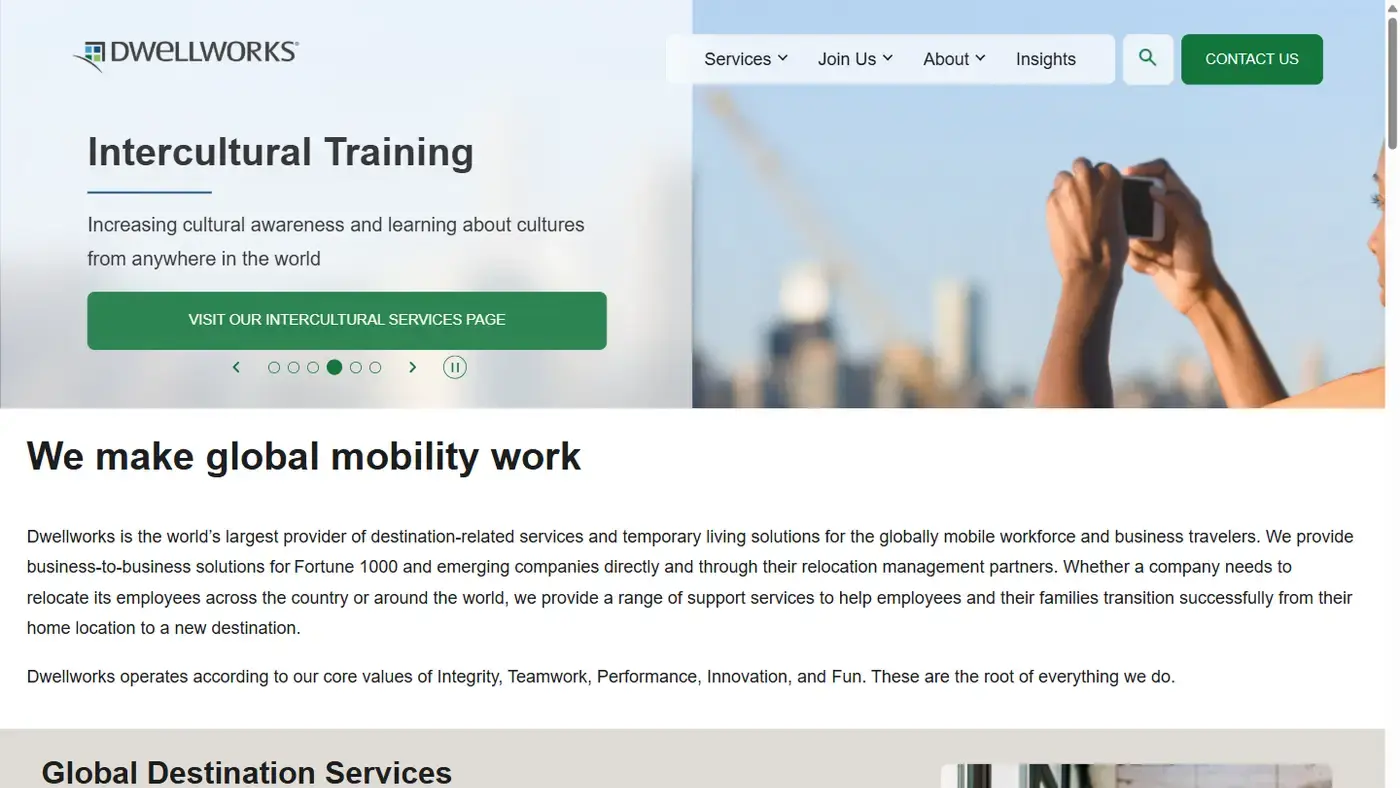
dwellworks.com · the public marketing site · the platform I worked on is internal
- Worked in
- React
- Vue
- JavaScript ES6+
- Redux
- SignalR
- Webpack
- Google Maps
- SCSS
- Integrated
- ASP.NET Core
- .NET Framework
- C#
- REST
- Azure
Read
- Cloud cost optimization platformTeam of 6
CloudForestX
A cloud cost management platform across 200+ enterprise AWS accounts, with cost visualization, idle resource detection and rightsizing recommendations.
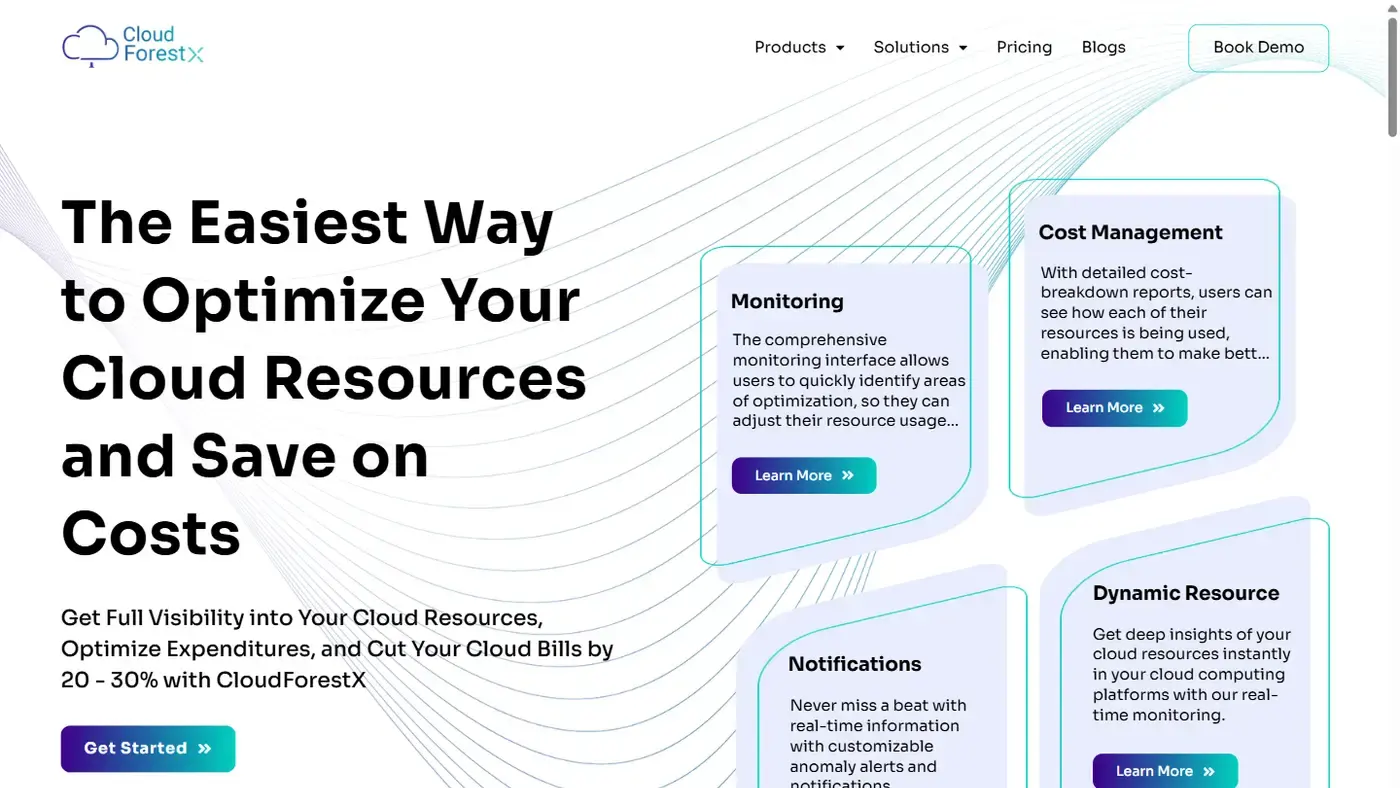
cloudforestx.com · the public marketing site · the platform sits behind a login
- Worked in
- React
- TypeScript
- Redux Toolkit
- ECharts
- Recharts
- Material UI
- Socket.IO
- Node.js
- Express
- PostgreSQL
- Sequelize
- REST
- Integrated
- AWS
Read
- AI dental documentation platformTeam of 10
DentScribe
A healthcare SaaS that turns a dentist-patient conversation into a clinical note, saving 40-50 minutes per patient visit.
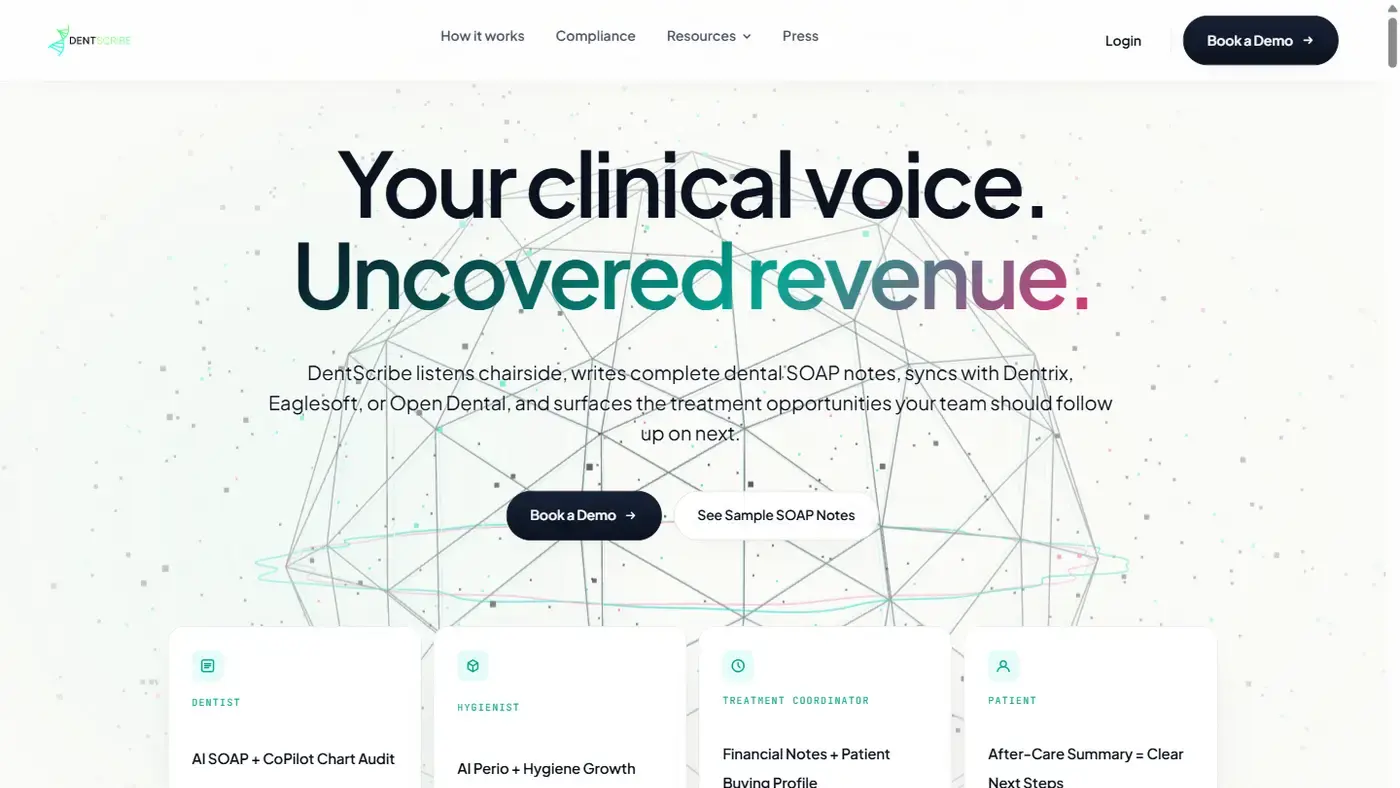
dentscribe.ai · the public marketing site · the portal sits behind a login
- Worked in
- React
- TypeScript
- Redux Toolkit
- Material UI
- MUI X Data Grid
- Stripe
- Axios
- Node.js
- TypeORM
- PostgreSQL
- Integrated
- AWS S3
- OpenAI API
Read
- HR management systemTeam of 7
MyWorkMyDay
An HR management platform serving 20+ clients, covering employee management, payroll processing and performance analytics.
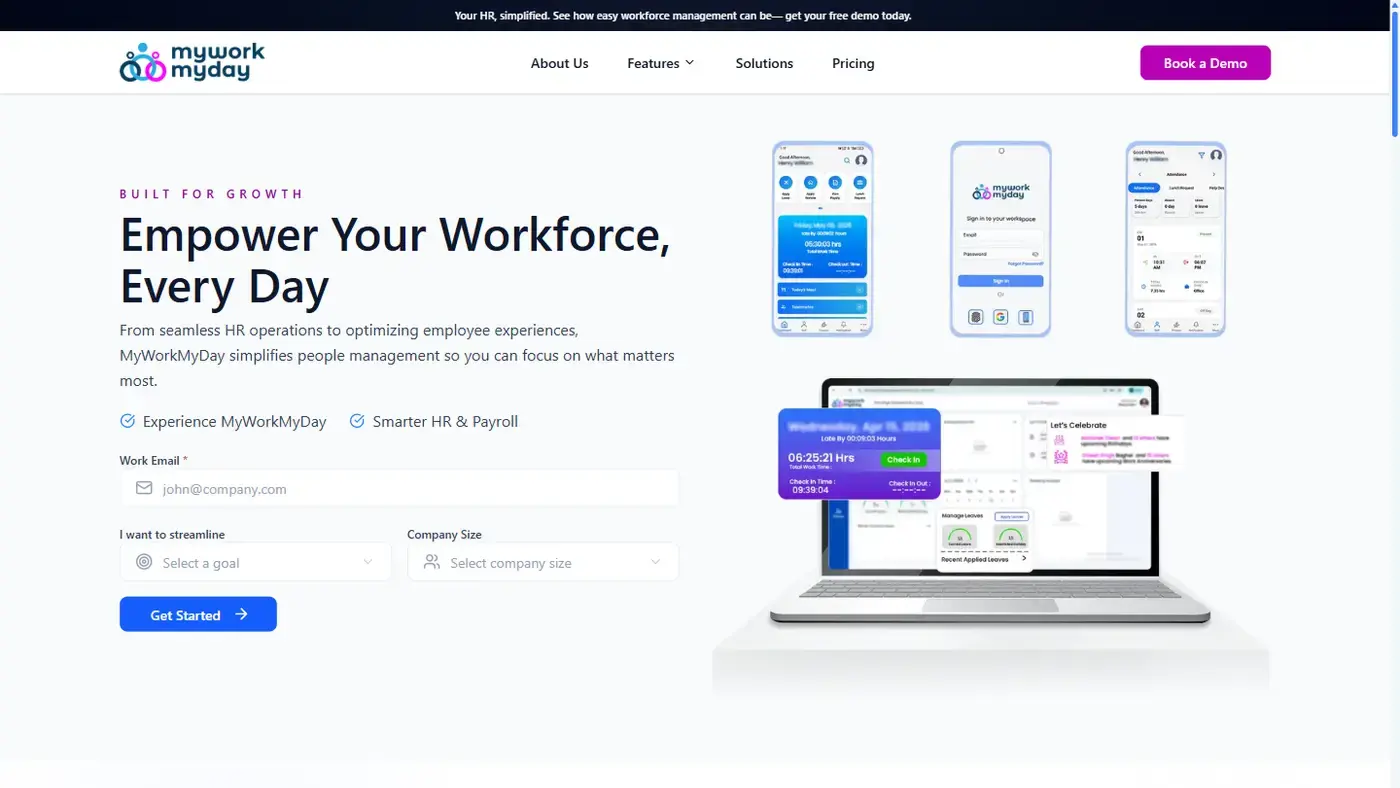
myworkmyday.com · the public marketing site · the platform sits behind a login
- Worked in
- React
- TypeScript
- Redux
- React Hooks
- Material UI
- Tailwind CSS
Read
Projects
Projects I designed, built and shipped end to end. Each runs on its own domain and is indexed by search. The cards link to the live site rather than to a write-up of it.
- Live2026
JsonBeam
A JSON formatter, validator and repair tool that does not stall on a large payload.
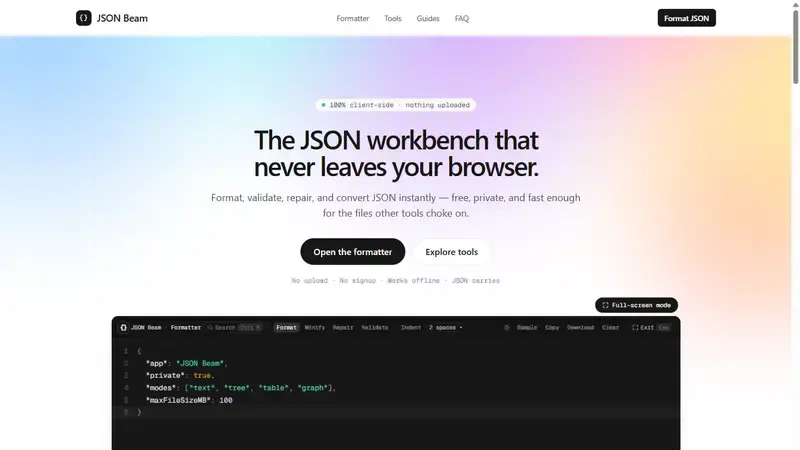
jsonbeam.com
- Astro
- CodeMirror 6
- TypeScript
- Cloudflare
jsonbeam.com
- Live2026
GradeJar
A teacher-first grade calculator with a private, on-device gradebook. Student data never leaves the browser.
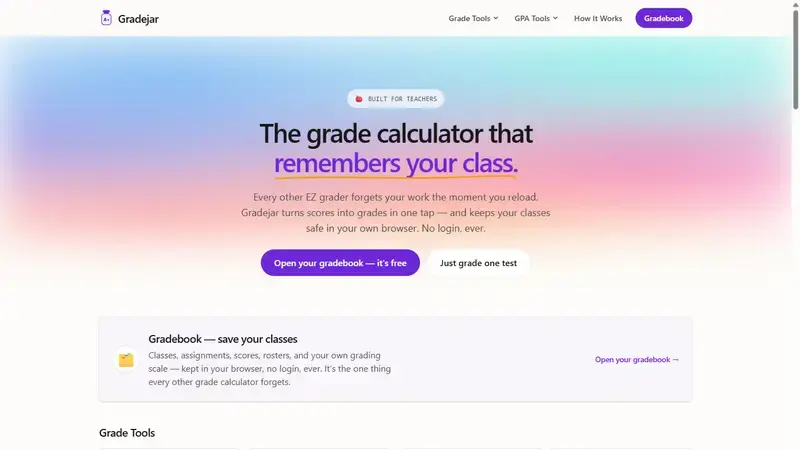
gradejar.com
- Astro
- Preact
- TypeScript
- Cloudflare
gradejar.com
- Live2026
AccentWallPlanner
A to-scale accent wall layout planner that draws the wall and returns a cut list.

accentwallplanner.com
- Astro
- TypeScript
- Cloudflare
accentwallplanner.com
- Live2026
Kesri Enterprise
A business site for an industrial water-treatment firm, built to be found by buyers.
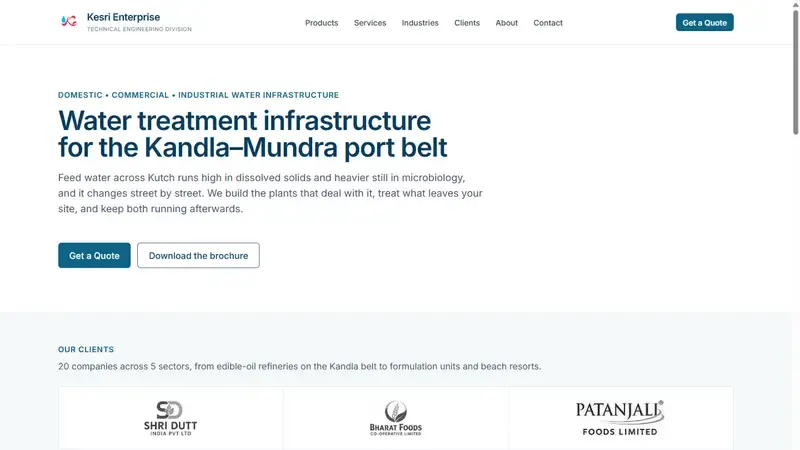
kesrienterprise.com
- Astro
- Tailwind
- Cloudflare
- Schema.org
kesrienterprise.com
Working with AI
The engineering parts rather than a tool list: what an agent is permitted to do, what context it is given, and what has to be verified before a change is considered done.
01
Agentic development
I build with coding agents on a harness I maintain: skills for repeated workflows, subagents with scoped tool permissions for research that would otherwise fill the context window, and MCP servers for capabilities the model does not have. The agent runs the mechanical passes; design and review stay with me.
- Agentic coding
- MCP (Model Context Protocol)
- Subagent orchestration
- Tool scoping
02
Context engineering
Output quality depends on the context supplied, so the context is the part worth engineering. Each repository carries an agent contract, a typed content layer so copy cannot be hard-coded into a component, and guardrails the compiler enforces rather than a reviewer. On this site a metric will not typecheck without its source and pull date.
- Context engineering
- Spec-driven development
- Agent contracts
- Type-enforced guardrails
03
Verification over the wire
A successful build does not confirm a successful deploy. I have shipped a Cloudflare Worker that deployed clean and then returned 500 on every HTML route, traced to a chunk-loading failure only visible in production logs. Nothing is done until the live URL has been checked over the wire, against what the repository claims.
- Production verification
- Deterministic gates
- Human-in-the-loop review
04
LLMs in the product, not only the toolchain
I have built the human-review surface for an AI documentation pipeline: audio to S3, speech-to-text, then a structured draft generated through a domain-specific prompt layer. The constraint was not the model. A qualified reviewer signs every draft, so the interface had to make a machine draft straightforward to disagree with, with no silent acceptance path.
- Speech-to-text
- LLM generation
- Prompt layer
- Human-in-the-loop
Engineering Principles
- Architecture follows the constraint
- The requirement picks the architecture, not the trend. A real-time feed rules out request-and-response; a legacy browser target caps the bundle you can ship. You design to the constraint in front of you and accept the trade it asks for.
- The data contract comes first
- The shape passed between client and server is settled before either side is built, so the interface and the API develop against one source of truth. A change to the contract surfaces as a type error, not a runtime surprise.
- Shipping is part of the engineering
- A repository shows intent. A domain serving traffic shows the thing runs, and returns the operational feedback no local environment produces.
- Performance is tracked as a budget
- Bundle size and Core Web Vitals are measured per release rather than audited occasionally, so a regression is visible while it is still one commit.